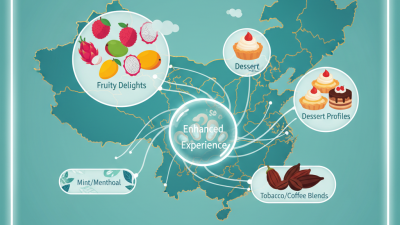
Choosing the best Vape Flavors for global buyers requires more than selecting popular names. A flavor that performs well in one market may feel unfamiliar or unsuitable elsewhere. Mango, mint, tobacco, and berry profiles can differ greatly by region, age group, and product format. Buyer expectations also change with climate, packaging, and retail habits. A cool mint may attract customers in warm areas, while a mild tobacco note may suit traditional preferences. Small details matter.
A dependable selection process begins with documented ingredients, clear flavor descriptions, and consistent sampling. Buyers should request batch information, laboratory testing, allergen details, and product specifications before making large decisions. Compliance must remain central, including age restrictions, labeling rules, advertising limits, and permitted ingredients in each destination. Requirements can change. Check current official sources.
Practical testing should use controlled samples. Compare aroma, sweetness, cooling strength, aftertaste, and performance across devices approved for the product. Record feedback from qualified adult testers, not assumptions. A simple tasting sheet can reveal useful differences: “bright citrus,” “soft berry,” or “heavy cooling.” Avoid vague claims such as “perfect for everyone.” No flavor suits every buyer.
Global sourcing also depends on reliable suppliers, traceable production, stable packaging, and responsive communication. An attractive flavor may still fail because its label is unclear or its profile changes between batches. That is easy to overlook. Responsible buyers should review customer feedback, monitor repeat orders, and adjust carefully. The best choice is not always the trendiest option. It is the flavor supported by evidence, lawful distribution, and realistic customer expectations.
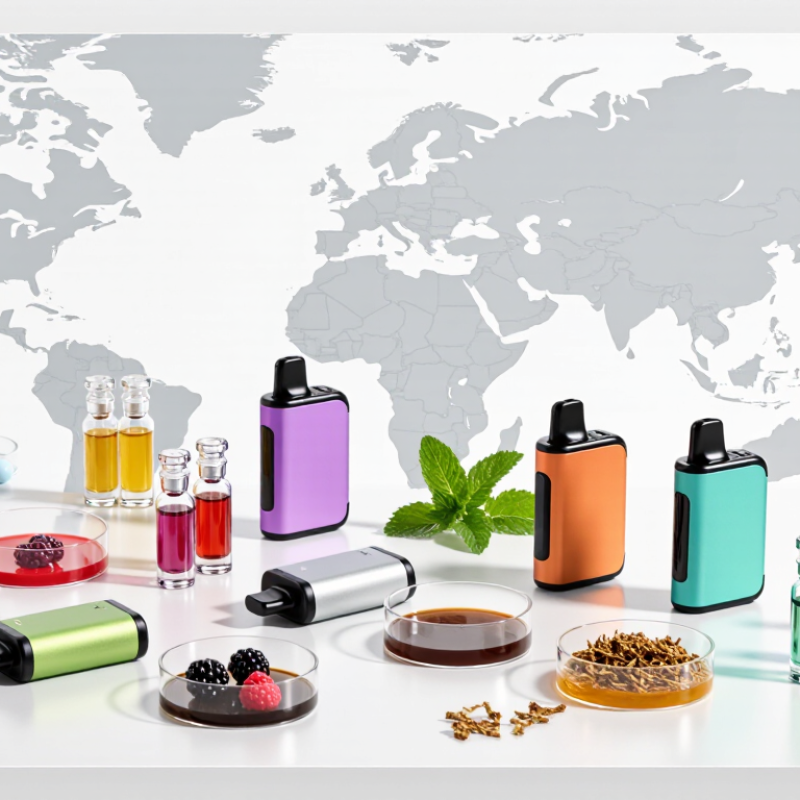
How to Choose the Best Vape Flavors for Global Buyers?
Vape flavors usually fall into five broad categories: fruit, menthol, dessert, beverage, and tobacco-inspired profiles. Fruit flavors often feel bright, with notes such as mango, berry, or citrus. Menthol profiles create a cooler sensation. Dessert options may suggest vanilla, cream, or pastry. Beverage flavors can resemble coffee, tea, or soft drinks. Preferences differ widely across regions, so one popular profile cannot represent every buyer.
Climate, food culture, and local habits influence flavor choices. Warm markets may favor crisp fruit or cooling notes. Colder regions may prefer creamy, spicy, or tobacco-inspired profiles. However, these patterns are not rules. A buyer in a tropical country may still prefer a warm dessert flavor. I once assumed sweetness would appeal broadly, but repeated market feedback proved that assumption too simple.
Reliable selection requires more than taste descriptions. Legal-age buyers should check ingredient disclosure, nicotine information, packaging quality, and local sales requirements. Regulations can differ between neighboring countries, including limits on flavor descriptions and product strength. A responsible supplier should provide clear documentation and avoid exaggerated health claims. Small sample testing can help compare sweetness, cooling intensity, and aftertaste before larger purchases. Not every attractive label reflects a balanced flavor. Taste perception also changes with device settings, so results may vary. Go slowly. Safety and compliance matter more than novelty.
Flavor category preference benchmark based on reported selections among current U.S. student e-cigarette users, 2022.
Source: U.S. Food and Drug Administration and Centers for Disease Control and Prevention, National Youth Tobacco Survey, 2022. Respondents could select more than one flavor, so percentages do not total 100%.
Fruit flavors show the strongest preference signal, followed by candy, dessert, and other sweet profiles. For global buyers, use this as a starting point rather than a universal market share forecast, because flavor preferences, age restrictions, labeling rules, and permitted ingredients vary by country.
Choosing vape flavors for global buyers requires more than finding an attractive name. Flavor ingredients deserve careful inspection. Food-grade ingredients are not automatically safe for inhalation. Check the full ingredient list, nicotine declaration, batch number, production date, and expiry date. Avoid products with vague terms such as “proprietary blend.” Clear information builds trust.
Check the seal.
Reliable manufacturers should provide independent laboratory reports for each batch. These reports may test nicotine accuracy, heavy metals, unwanted solvents, and microbial contamination. Packaging should be tamper-evident, child-resistant, and clearly labeled. Buyers should also confirm storage instructions, because heat and sunlight can affect liquid color, flavor, and stability. A cool cabinet is better than a car dashboard.
Local rules can differ sharply between countries. Confirm permitted ingredients, labeling language, nicotine limits, import requirements, and age restrictions before ordering. A flavor that is allowed in one market may not meet another market’s standards. Do not guess. Contact the seller for traceable documentation and a current safety data sheet. I have found that attractive packaging can hide weak evidence, so appearance should never replace testing. Even laboratory reports need reflection: check the testing date, laboratory credentials, and whether the sample matches the batch being sold. When information is incomplete, choosing not to purchase is the more responsible decision.
Choosing vape flavors for global buyers requires more than matching fruit, mint, or dessert preferences. The Global State of Tobacco Harm Reduction 2024 estimates about 114 million adults vape worldwide, but market access differs sharply by country. A flavor approved in one market may be restricted elsewhere. Buyers should check local rules before selecting inventory.
Nicotine strength needs closer attention. Some adults prefer nicotine-free products, while others choose low or moderate concentrations. In the European Union, the Tobacco Products Directive limits e-liquid nicotine to 20 mg/mL, refill containers to 10 mL, and cartridges or tanks to 2 mL. Packaging must include health warnings and child-resistant features. These details are not optional.
In the United States products containing nicotine generally require authorization under the Food and Drug Administration’s premarket tobacco application process. The FDA also evaluates youth appeal, ingredients, and public-health impact. WHO’s Global Report on Trends in Tobacco Use 2000–2030 warns that nicotine products can create dependence and should not be treated as risk-free. That warning matters.
Flavor descriptions should remain factual. List nicotine content per milliliter, ingredients, batch information, and age restrictions clearly. Avoid medical claims. Avoid candy-like imagery where youth exposure is a concern. A practical mistake is assuming “nicotine-free” means regulation-free; many jurisdictions still control advertising, labeling, and imports. Rules also change. Verify the latest government guidance before each shipment.
Choosing vape flavors for international markets starts with the supplier, not the tasting table. Ask for ingredient disclosures, batch records, laboratory testing, and manufacturing certificates. A reliable supplier should explain flavor stability, shelf life, and quality controls without vague promises. Request samples from different production batches. One attractive sample proves very little.
Packaging affects both safety and buyer confidence. Check that labels show ingredients, batch numbers, volume, storage guidance, and required warnings for the destination market. Packaging should resist heat, moisture, and pressure during transport. Child-resistant features may also be mandatory in some regions. I once trusted a strong outer carton too quickly; the inner seals were less impressive. Small details matter. Translation quality matters too.
International shipping requires careful planning. Confirm whether the destination permits the product, flavor category, nicotine content, and chosen transport method. Review customs documents, product descriptions, tax records, and battery requirements where relevant. Never rely on a supplier’s general statement that “shipping is available.” Rules can differ between neighboring countries. Use tracking, moisture protection, and temperature-conscious storage when possible. Delays may affect flavor quality, so test products after transit, not only before dispatch. A practical supplier will discuss failed shipments openly and adjust packaging or routes when evidence supports change. That honesty is often more valuable than a low quotation.
Choosing vape flavors for global buyers requires market-specific research, not guesswork. Adult preferences vary with climate, food culture, and purchasing habits. Warmer regions may favor bright citrus, mint, or lighter fruit profiles. Cooler markets often show interest in richer dessert or tobacco-inspired notes. These patterns help, but they are never universal. Local feedback matters more.
A reliable selection process starts with legal and customer checks. Confirm age-gated sales, ingredient disclosure, packaging rules, and flavor restrictions in each target market. Work with qualified compliance advisers when regulations are unclear. Ask adult customers about sweetness, cooling strength, throat feel, and expected price. Use short surveys and small, controlled test batches. Keep records of complaints, repeat purchases, and unusual reactions. Do not treat one successful trial as proof.
Flavor descriptions should be precise and honest. “Crisp apple” suggests a clean fruit note, while “creamy berry” signals a softer profile. Avoid exaggerated health claims or unclear wording. Buyers need consistent taste, batch information, and responsive support. My market testing has shown that translation can change meaning. A word that sounds fresh in one language may suggest artificial flavor elsewhere. That mistake is easy to miss. Review copy with native speakers, then test it again with adult users. Some choices will fail. That is useful evidence, not wasted work. Keep refining based on verified feedback and lawful market requirements.
| Target Market | Common Buyer Preference | Recommended Flavor Families | Flavor Profile Examples | Product Positioning | Key Compliance Considerations | Recommended Portfolio Mix |
|---|---|---|---|---|---|---|
| United States | Strong demand for familiar, bold, and convenient flavor experiences; preferences can vary considerably by state. | Fruit, mint, menthol, dessert, and tobacco-inspired profiles. | Berry blends, citrus fruit, cool mint, vanilla custard, caramel tobacco. | Offer clear flavor descriptions, consistent batch quality, and multiple cooling levels. | Federal authorization requirements and state or local restrictions may apply. Verify product, packaging, advertising, and flavor rules before sale. | 30% fruit; 20% mint or menthol; 20% tobacco-inspired; 15% dessert; 15% other profiles. |
| European Union | Preference for balanced taste, moderate sweetness, dependable quality, and transparent product information. | Fruit, classic tobacco, mint, menthol, and light beverage profiles. | Apple, red berries, peach, smooth tobacco, spearmint, mild iced fruit. | Emphasize restrained sweetness, clean labeling, and compliant nicotine formats. | The Tobacco Products Directive includes requirements for notification, packaging, nicotine concentration, refill containers, tank capacity, and health warnings. National rules can be stricter. | 30% fruit; 25% tobacco-inspired; 20% mint or menthol; 15% beverage; 10% other profiles. |
| United Kingdom | Demand for familiar flavors, simple product selection, and reliable alternatives to traditional tobacco taste. | Fruit, menthol, mint, tobacco, and uncomplicated beverage profiles. | Berry, grape, menthol, fresh mint, classic tobacco, cola-style beverage. | Use straightforward names and avoid exaggerated health or lifestyle claims. | Products must meet applicable UK tobacco and vaping rules, including notification, labeling, nicotine, packaging, and advertising requirements. Rules may change. | 30% fruit; 25% mint or menthol; 20% tobacco-inspired; 15% beverage; 10% other profiles. |
| Middle East | Interest in refreshing, aromatic, and culturally familiar profiles, with strong attention to packaging and product presentation. | Mint, menthol, fruit, spice-inspired, coffee, and tobacco profiles. | Mint, double menthol, watermelon, date-inspired fruit, cardamom coffee, smooth tobacco. | Provide strong cooling options, premium visual design, and clear ingredient information. | Import, nicotine, labeling, excise, advertising, and religious or cultural requirements differ by country. Confirm local rules before distribution. | 30% mint or menthol; 25% fruit; 20% tobacco-inspired; 15% coffee or spice; 10% other profiles. |
| Southeast Asia | Flavor preferences are highly diverse; tropical fruit, cooling sensations, and sweet beverage notes are often attractive where legal. | Tropical fruit, citrus, mint, tea, and beverage profiles. | Mango, lychee, pineapple, calamansi-style citrus, iced tea, mint. | Use compact assortments with localized flavor naming and several cooling intensities. | Vaping laws differ sharply by country, including restrictions or prohibitions in some jurisdictions. Confirm legality, import permissions, and online-sales rules for each destination. | 35% tropical fruit; 20% citrus; 20% mint or menthol; 15% beverage or tea; 10% other profiles. |
| Latin America | Preference for noticeable flavor intensity, fruit-forward combinations, and familiar sweet or cooling sensations. | Tropical fruit, berry, citrus, candy-inspired, mint, and tobacco profiles. | Passion fruit, mango, strawberry, lime, mixed berries, mint, tobacco. | Offer vibrant flavor communication, dependable availability, and value-oriented multipacks where permitted. | Regulatory status varies by country and may include product bans, registration, health warnings, taxation, and advertising restrictions. | 35% fruit; 20% citrus; 15% mint or menthol; 15% tobacco-inspired; 15% sweet or beverage profiles. |
| Australia and New Zealand | Buyers generally value regulated supply, clear product information, moderate flavor intensity, and familiar profiles. | Tobacco, mint, menthol, fruit, and neutral or lightly sweet profiles. | Classic tobacco, fresh mint, menthol, apple, berry, mild citrus. | Prioritize compliance documentation, restrained flavor descriptions, and controlled distribution. | Nicotine-vaping products are subject to strict and changing therapeutic, import, retail, and product-supply rules. Check current national and state or territory requirements. | 30% tobacco-inspired; 25% mint or menthol; 20% fruit; 15% neutral or light profiles; 10% other profiles. |
| International B2B Buyers | Need flexible assortments, stable supply, private-label compatibility, documentation, and flavors that can be adapted locally. | Core flavors with optional regional variations and adjustable sweetness or cooling levels. | Mint, tobacco, berry, citrus, tropical fruit, beverage, coffee, and dessert profiles. | Provide low minimum order options, sample kits, batch consistency, multilingual labels, and customization support. | Review destination-country rules for nicotine, ingredients, packaging, language, product notification, taxation, and age-restricted marketing. | 40% global core flavors; 30% regional fruit; 15% mint or menthol; 10% tobacco-inspired; 5% seasonal or experimental profiles. |
Note: Portfolio percentages are planning guidelines rather than measured market-share data. Flavor suitability, product legality, nicotine limits, packaging rules, and advertising requirements should be validated for each destination before launch.