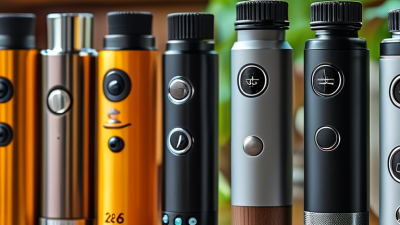
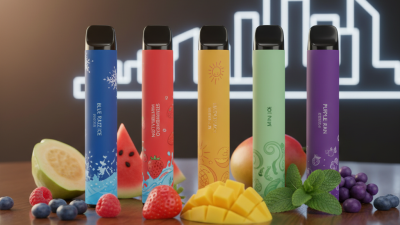
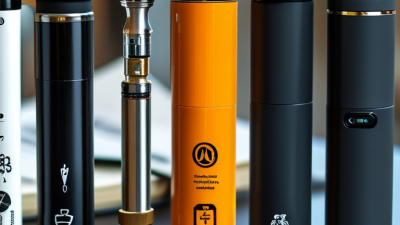
Choosing a Fume Vape for your store is more than a purchasing decision. It also affects customer trust and day-to-day operations. Products may look similar, yet differ in capacity, flavor options, battery design, and supplier support. Attractive packaging alone is not enough. Consider your adult customer base, local demand, and the requirements where your store operates. Verify age-check procedures and confirm that products and promotional claims meet current local rules. Details matter.
Compare suppliers using documentation, not promises. Request clear specifications, batch-tracking information, warranty terms, and a reliable contact for quality concerns. Check packaging, required product disclosures, and whether device instructions are easy to follow. Review profit margins alongside realistic sales, minimum order quantities, and restocking times. A low unit price can become costly when inventory sits untouched. Keep notes on sales and customer questions. Small details help.
A sound selection balances product information, responsible merchandising, and manageable stock. Avoid unsupported health or performance claims. Requirements and product availability can change, so review supplier records and local guidance regularly. No checklist is perfect. Reassess your choices after several weeks, and adjust based on evidence rather than assuming one popular item suits every store. This guide explores practical criteria for comparing options, protecting customer confidence, and making a careful, informed decision.
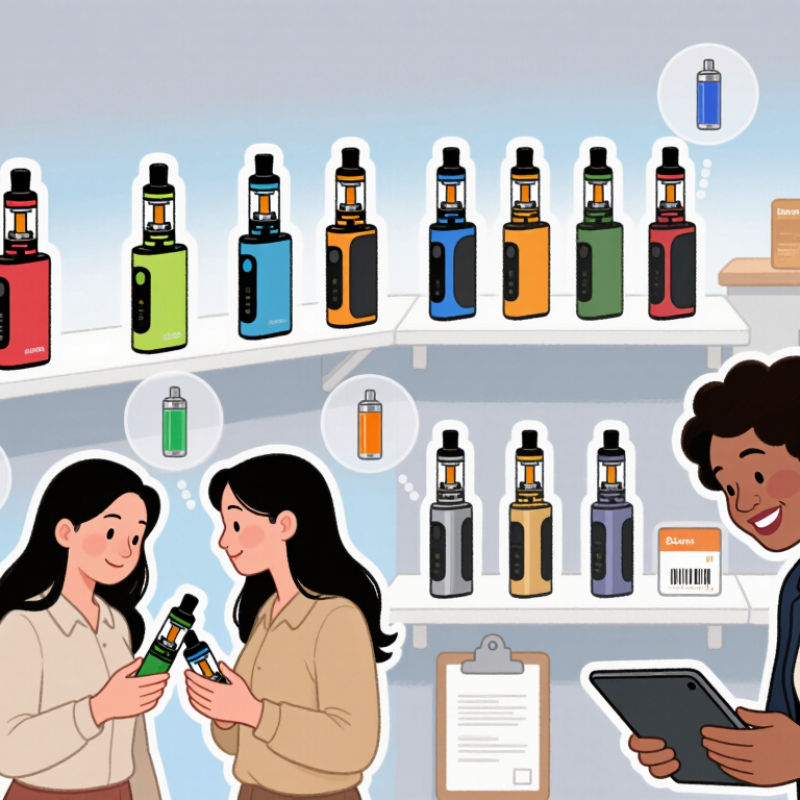
For a U.S. retailer, choosing vape products also means building responsible sales practices. Federal Tobacco 21 rules prohibit selling tobacco products, including e-cigarettes, to anyone under 21. Make age checks a routine part of every sale. Follow applicable identification requirements and your store’s written policy. If a customer is under 21 or their age cannot be verified, do not complete the sale. State and local rules may add requirements, so check current guidance from official sources.
Tips: Post a clear age notice near the register. Train every cashier to check identification and follow the same refusal procedure. Review supplier documentation and required product labeling before making purchasing decisions. Attractive packaging alone proves nothing.
A consistent process helps protect young people and gives staff confidence during busy shifts. Keep the counter well lit so identification is easier to inspect. A simple script can help: “I need to verify your age.” No checklist is perfect. Review staff questions and refused sales, then adjust training where needed. If a rule or document seems unclear, pause and seek guidance from an authoritative regulator or qualified compliance adviser.
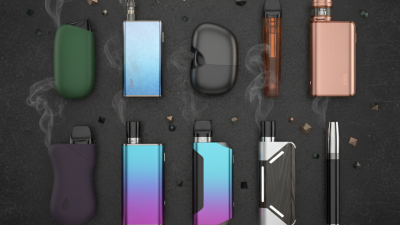
Before considering any vape products for a U.S. store, verify that each exact product has an FDA marketing authorization. Authorization is specific to the product, not a whole brand or product family. Match the device name, model, and relevant variations against FDA records. Packaging that looks familiar is not proof. Neither is a distributor’s assurance.
Keep dated records of what you checked, including product identifiers and the FDA source. Ask suppliers for documentation when details do not match. Pause the purchase if you cannot confirm the exact product. That detail is easy to miss. A listing, shipment, or commercial availability does not establish FDA authorization. Requirements and records can change, so recheck before placing repeat orders. I would not treat a close match as good enough; small differences can matter. If the status remains unclear, seek qualified regulatory guidance rather than relying on sales materials.
Verify FDA marketing authorization for every U.S. vape product.
Each bar represents a required verification step, not a product count. Confirm the exact product appears on the FDA’s authorized list, matches the product covered by the authorization, and has an authorization that remains in effect. Authorization applies to specific products, not automatically to every product from a brand. See FDA marketing orders.
When choosing a fume vape for your store, check the EU TPD limits before comparing flavors or device design. For nicotine-containing e-cigarettes, the maximum nicotine concentration is 20 mg/mL, and tanks or cartridges must not exceed 2 mL. These figures affect which products can be sold in EU markets.
Ask suppliers for clear specifications, compliant packaging, and documentation showing the product meets applicable requirements. Compare the stated nicotine strength with the label, then check the tank capacity in the product details. Small details matter. A listing may describe a device as compact, but that does not confirm its capacity or compliance. Rules and enforcement can also differ by country, so verify current local requirements before placing an order.
For customers, straightforward labeling makes comparison easier: nicotine strength, capacity, and usage information should be easy to find. Keep records of supplier documents and review them when product versions change. A careful check takes time. It may still miss something, so treat paperwork as one part of responsible sourcing, not a substitute for current regulatory guidance.
For each candidate, record labeled puff count, battery capacity in mAh, nicotine strength, and wholesale unit cost. Compare like formats only. Puff counts are estimates, not guarantees; draw length and device settings affect use. I treat the label as a guide, not a promise. Check nicotine units carefully. A label may use mg/mL or a percentage, so verify the unit before comparing products. Follow applicable age-sale and product requirements.
The CDC’s 2023 National Youth Tobacco Survey found that 2.13 million U.S. middle and high school students currently used e-cigarettes; 89.4% reported using disposable devices. That public-health finding underscores why staff training, age controls, and responsible displays matter.
Calculate cost per labeled puff by dividing wholesale price by the puff count, then compare similar products. This is not the same as cost per actual use. Battery capacity matters too. A higher mAh figure alone does not guarantee longer runtime; check charging details, device output, and safety documentation. Keep invoices and specification sheets. One flaw in my own checklist: the numbers can make unlike devices look comparable. Read the fine print as well.
Choosing a vape supplier means checking more than price and delivery speed. Ask for records that connect each product to its manufacturer, production site, and batch or lot number. Request dated quality-control documents and applicable independent test reports, then verify that the report matches the exact product and batch offered. Paper trails matter. A polished certificate is not enough if its details cannot be checked.
Recall readiness deserves equal attention. Ask who contacts your store, how quickly affected batches can be identified, and what records help locate stock already sold. BCI’s 2023 Supply Chain Resilience Report found that 76% of surveyed organizations experienced at least one supply-chain disruption in the preceding year. That finding covers multiple industries, not vape suppliers specifically, but it shows why backup contacts and clear records matter. Test the process with a sample lot: can staff find its paperwork and list affected inventory without searching through old emails? A spreadsheet may look complete and still be stale. Review records periodically, note gaps, and ask suppliers to correct them before placing larger orders.
Supplier-vetting checklist for vape products. Confirm applicable product, labeling, age-verification, tax, and sales requirements with the relevant authorities in each jurisdiction.
| Review area | What to request | Evidence to check | Warning signs | Store action |
|---|---|---|---|---|
| Supplier identity and authorization | Request the supplier’s legal business details, relevant permits or registrations, and documented authorization to distribute the products. | Compare supplied details with official business or licensing records where available; confirm that the seller is an authorized channel. | Unverifiable identity, inconsistent paperwork, or refusal to identify the manufacturer or authorized distributor. | Do not place an order until identity and any required authorization are verified. |
| Product and regulatory status | Request the exact product identifier, intended market, ingredient or nicotine information as applicable, and documentation of required market authorizations. | Check product identifiers and authorization claims against the relevant regulator’s current database or official guidance. Requirements differ by jurisdiction. | Unsupported claims such as “approved everywhere,” missing product identifiers, or documents that do not match the product being offered. | Confirm the product may lawfully be sold in the store’s location before purchase. |
| Lot and batch traceability | Request a sample invoice and product label showing a lot or batch code, plus a description of how that code links to production and distribution records. | Confirm the same code can be traced from the sale unit to the supplier’s shipment records and, where available, the manufacturing record. | No batch code, codes that cannot be read, or records that identify only a general product type rather than the specific lot. | Record lot codes and quantities received; retain invoices and receiving records according to applicable requirements. |
| Batch and quality records | Ask what production, inspection, and release records are maintained for each batch, and how defects or deviations are investigated. | Review a redacted example record, where available, for product and lot identification, dates, inspection outcomes, and authorized release. | Only generic quality statements, records with no lot references, or inability to explain how a batch is released for distribution. | Document the supplier’s response and escalate missing or inconsistent batch evidence before onboarding. |
| Testing documentation | Ask whether product testing is performed, what it covers, and whether reports are tied to the specific product and lot being supplied. | Check report date, sample identification, scope, and issuing laboratory. A report’s existence alone does not establish compliance with every local rule. | Undated or mismatched reports, unclear sample identity, or broad safety claims unsupported by the report’s scope. | Assess documents against local requirements and keep relevant records with supplier and product files. |
| Recall readiness | Request the written recall procedure, after-hours contact route, notification method, and process for identifying affected lots and customers or retailers. | Ask for a redacted example of a recall or mock-recall exercise, including how quickly affected inventory can be identified and quarantined. | No named contact, no written process, or inability to identify shipments by lot. | Set an internal process to stop sales, isolate affected stock, preserve records, and follow official recall instructions. |
| Packaging and labeling | Request current packaging artwork and product samples for the destination market, including required warnings, ingredient or nicotine statements, and child-resistant packaging details where applicable. | Compare the physical product and packaging with applicable local labeling and packaging rules; check that lot information is legible and consistent. | Missing or obscured warnings, altered labels, or packaging that differs from the documentation provided. | Hold nonconforming stock and seek authoritative guidance before offering it for sale. |
| Storage, shipping, and returns | Ask for storage and transport instructions, shipping-condition expectations, damage reporting steps, and a written returns or complaint process. | Review delivery records and inspect incoming packages for damage, tampering, mismatched quantities, and visible product or packaging defects. | No handling instructions, repeated unexplained shortages, or pressure to resell damaged or suspect units. | Use documented receiving checks and segregate damaged, returned, or suspect products from saleable inventory. |
| Complaints and adverse events | Request a documented process for logging complaints, investigating product issues, escalating safety concerns, and reporting where required. | Check that the process captures dates, product and lot codes, issue details, actions taken, and relevant communications. | Requests to discard evidence, avoid recording complaints, or continue selling potentially affected stock without assessment. | Keep a store complaint log and follow applicable reporting and consumer-safety guidance. |
| Ongoing supplier review | Ask how the supplier communicates product changes, authorization changes, new warnings, quality issues, and recalls. | Agree on a current contact list and a written method for receiving urgent notices; periodically recheck documents and contact details. | Unannounced substitutions, outdated paperwork, or no reliable channel for urgent safety communications. | Reassess suppliers periodically and pause purchasing if traceability or recall support deteriorates. |
Practical screening rule: prioritize suppliers that can promptly connect each product unit to a specific lot, supporting records, shipment history, and a reachable recall contact. This checklist is general information, not legal advice.