How to Source Nicotine Free Vape Products in 2026?
Sourcing a reliable Nicotine Free Vape product in 2026 requires more than comparing flavors, prices, or attractive packaging. Buyers should examine ingredient disclosures, independent laboratory reports, batch numbers, manufacturing addresses, and clear customer-support channels. A polished website is not proof of quality. I would still question any supplier that hides its testing methods.
Dr. Colin Mendelsohn, a physician and tobacco-harm-reduction expert, has said, “Vaping is a safer alternative to smoking.” This statement does not mean every product is safe or suitable for every person. It highlights the importance of accurate labeling and responsible communication. Nicotine-free products should not make medical promises or imply zero risk.
A trustworthy supplier should provide recent laboratory testing for nicotine content, contaminants, heavy metals, and microbial quality. Check whether the report matches the exact product, flavor, and production batch. A certificate with no laboratory contact details deserves caution. So does a product labeled “nicotine-free” without a detectable-limit result.
Sourcing also involves practical experience. Ask for sample units, inspect seals, smell the liquid, and review the printed batch code. Small details matter. The liquid should not arrive leaking, cloudy, or poorly labeled. However, personal inspection cannot replace laboratory verification.
Regulations differ by country and can change quickly. Responsible buyers should confirm local rules, packaging requirements, age restrictions, advertising standards, and import conditions before placing an order. Some suppliers may appear professional but lack current compliance records. That is an uncomfortable possibility, yet it must be considered. Reliable sourcing is a process of verification, not a single purchase decision.

Defining Nicotine-Free Vape Products and Their Main Uses
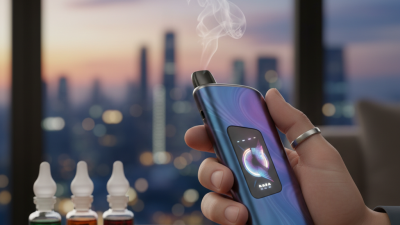
Nicotine-free vape products are inhalable devices or liquids labeled as containing zero nicotine. They may use flavored liquid, vegetable glycerin, propylene glycol, and approved flavoring ingredients. However, “nicotine-free” does not mean risk-free. Testing has occasionally found labeling errors, so careful verification matters.
When sourcing these products in 2026, buyers should request recent laboratory reports, ingredient disclosures, batch numbers, and clear manufacturing information. Independent testing can confirm nicotine content more reliably than packaging alone. Check whether the product follows the rules of its intended market. Requirements may differ for age limits, advertising, packaging, and flavor descriptions.
The main uses are limited and practical.
Some adults use nicotine-free products to experience flavors without nicotine. Others use them for demonstrations, sensory testing, or device education. They should not be presented as proven medical treatments or guaranteed quitting tools. That claim would be too strong. In real purchasing work, I would compare several batches rather than trust one certificate. Storage also matters; heat and sunlight can change liquid color and flavor. A clear label, tamper-resistant packaging, and responsive supplier support are useful signs of responsible sourcing.
Finding Reliable Manufacturers, Wholesalers, and Retail Suppliers
Sourcing nicotine-free vape products in 2026 requires more than comparing catalog prices. Start with manufacturers that disclose every ingredient, device material, and production location. Request recent, batch-specific laboratory reports from independent testing facilities. These reports should verify nicotine absence and screen for contaminants. A certificate alone is not enough. Check its date, laboratory details, and matching batch number.
Reliable manufacturers should explain their quality controls without avoiding practical questions. Ask how they test e-liquid consistency, heating elements, batteries, seals, and packaging. Request a small sample order before discussing large volumes. Examine the liquid appearance, label accuracy, airflow, and packaging condition. Details matter. Then compare the sample with the supplier’s written specifications.
Wholesalers can simplify purchasing, but their traceability may be weaker. Confirm whether they buy directly from the factory or through several intermediaries. Retail suppliers should provide clear product information, compliant packaging, age-control procedures, and documentation for your target market. Requirements differ by country and may change quickly, even for nicotine-free products. Review customs rules, product standards, advertising restrictions, and environmental obligations with a qualified local adviser. Keep invoices, test reports, and batch records. Mistakes still happen. I would rather delay a shipment than accept unclear paperwork or exaggerated safety claims.
Verifying Ingredients, Testing Reports, and Nicotine-Free Claims
Sourcing Nicotine-Free Vape Products in 2026
A nicotine-free claim needs evidence, not attractive packaging. Request the complete ingredient list, product specification, batch number, and manufacturing date. Check whether the liquid contains nicotine, nicotine salts, tobacco extracts, or undeclared stimulant ingredients. Ask suppliers to explain every unfamiliar term. Vague answers are warning signs.
Review an independent certificate of analysis for each production batch. The laboratory should identify the tested sample, methods, detection limits, and final results. ISO/IEC 17025 accreditation can strengthen confidence, but verify the laboratory directly. Testing should examine nicotine, contaminants, heavy metals, and relevant solvents. Match the report’s batch number with the products you plan to purchase.
Do not accept one old report for every shipment. Manufacturing changes can affect results. Request sealed samples and compare their labels with the documents. A basic identity check may also reveal mismatched packaging or missing traceability. My own sourcing checklist once focused too heavily on nicotine results. It overlooked cleaning records and storage conditions. That was a useful mistake. Ask how products are protected from cross-contact during filling, transport, and storage. Keep written records, supplier responses, and test reports. Check current requirements in each intended market before listing or distributing any product.
Comparing Prices, Packaging, Shipping, and Supplier Terms
Sourcing nicotine-free vape products in 2026 requires more than comparing the lowest quote. Grand View Research valued the global e-cigarette market at about USD 28 billion in 2023, showing strong supplier competition. Yet nicotine-free products may use different formulations, devices, and compliance documents. Request a complete price sheet, including units, samples, testing, tooling, and replacement rates. A low unit price can hide expensive minimum order quantities.
Packaging deserves close inspection. Compare child-resistant features where required, material thickness, recycling marks, carton strength, and printing accuracy. The Sustainable Packaging Coalition continues to report growing pressure for recyclable and material-efficient packaging. Ask suppliers for packaging specifications and product photos from current production. Shipping quotes should state Incoterms, insurance, delivery time, customs responsibilities, and lithium-battery handling. For international orders, confirm destination rules before payment. Regulations vary, even when products contain no nicotine.
Tips: Build a side-by-side supplier table. Record unit price, MOQ, lead time, packaging cost, and landed cost. Request independent laboratory reports for each batch, not only a generic certificate. Verify the laboratory and test date. Supplier terms should cover defects, delayed delivery, refunds, confidentiality, and sample approval. Payment protection matters. I would avoid suppliers demanding full payment before verification, although this can reduce negotiating power. My own weak point is overvaluing attractive packaging; a clean box cannot replace consistent testing, traceable production records, and reliable shipping performance.